
Precision temperature control is the first step of advanced manufacturing
German SINGLE, focused on industrial temperature control for over fifty years. Every requirement is different — Raycore works with the OEM to tailor solutions for local industries: stable, reliable, energy-efficient, German-engineered.
Industries & processes
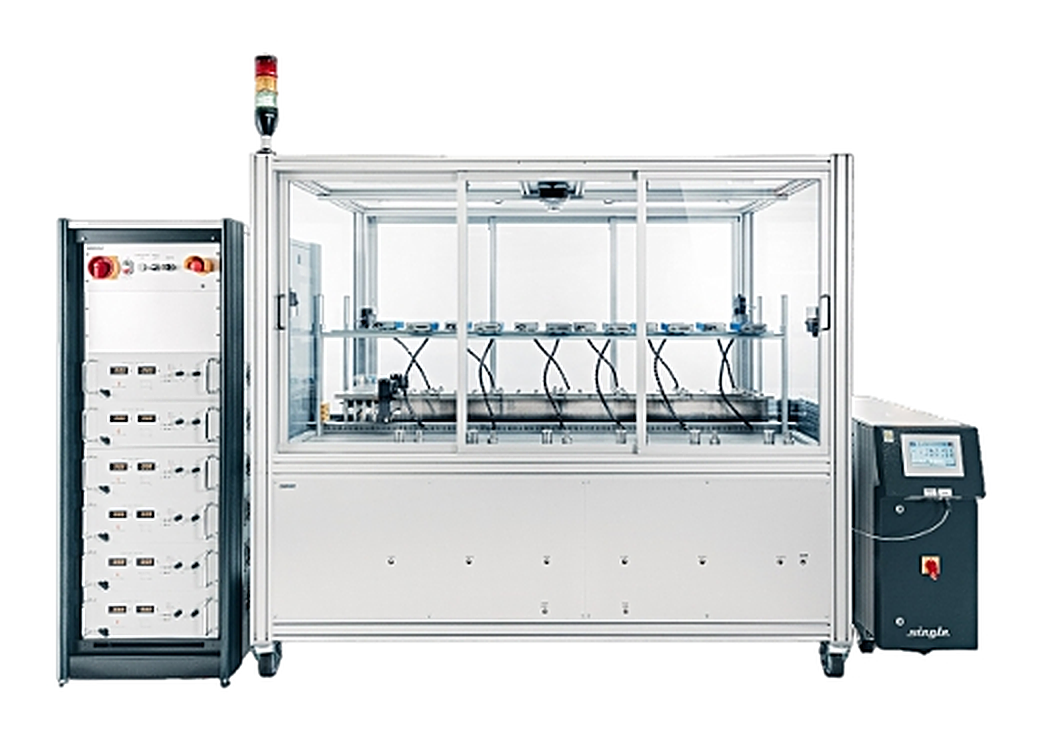
Semiconductor Test
SINGLE temperature control units are used in ATE test systems and wafer-level burn-in testing, providing precise temperature control for test heads, chucks and load boards to ensure test data consistency and continuous equipment operation.
ATE and burn-in testing demand extremely high temperature stability: chuck temperature drift directly affects parameter measurement and yield determination; high-power device testing requires fast heat removal; wafer-level applications also require clean flow paths, low particle generation and anti-condensation, with support for long unattended runs.
SINGLE WK3, WP5, WP7 water TCUs and Chill series chillers deliver temperature accuracy down to ±0.1 °C, fast thermal response and clean flow-path design, meeting the stringent stability, cleanliness and reliability requirements of wafer-level testing.
Chemical & Pharma
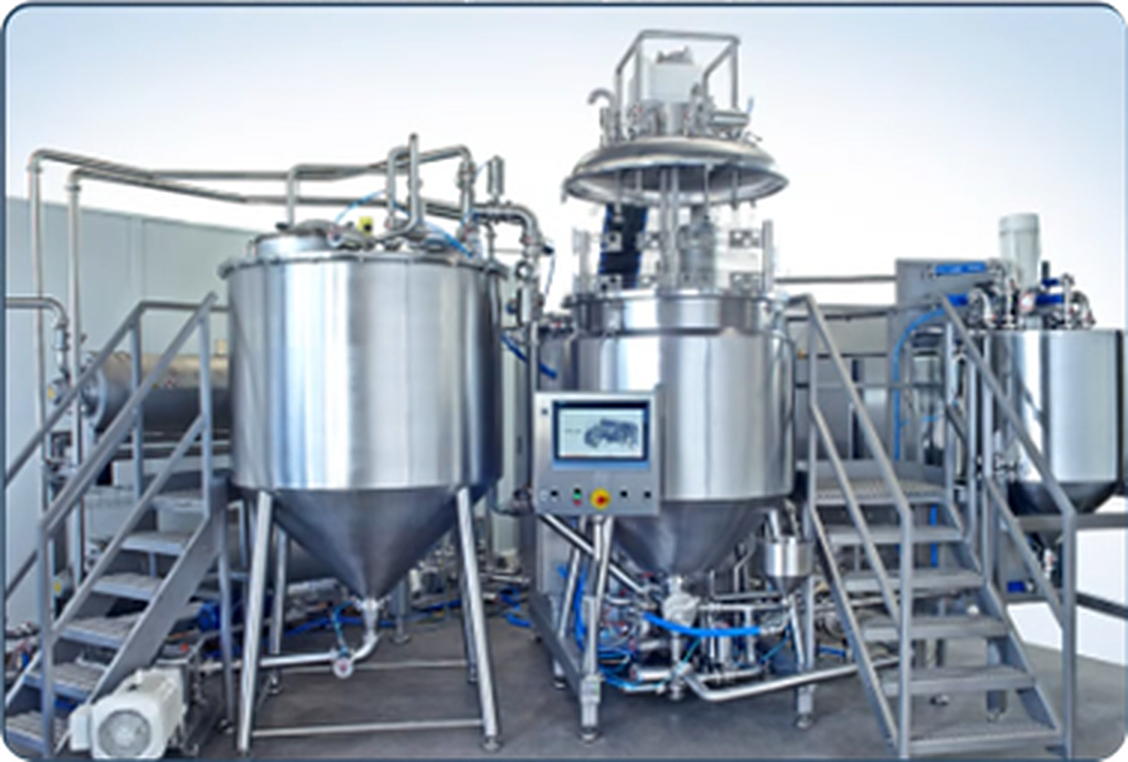
SINGLE temperature control systems are used for process temperature control in reactors, stirred tanks, crystallization and distillation across chemical and pharmaceutical processes, from process development to industrial-scale production.
Strongly exothermic reactions demand instantaneous large cooling capacity; any temperature hysteresis can lead to runaway. Batch production requires exact reproduction of temperature profiles. Pharma and fine chemical applications must also meet GMP compliance and stringent contact-material (316L / PTFE) requirements.
SINGLE WP water TCUs and D oil TCUs, paired with high-capacity plate heat exchangers and a secondary-loop design, decouple from the plant cooling source. Multiple interlocks for over-temperature, leakage and flow loss make batch temperature profiles reproducible, with safety and compliance that are auditable.
Packaging
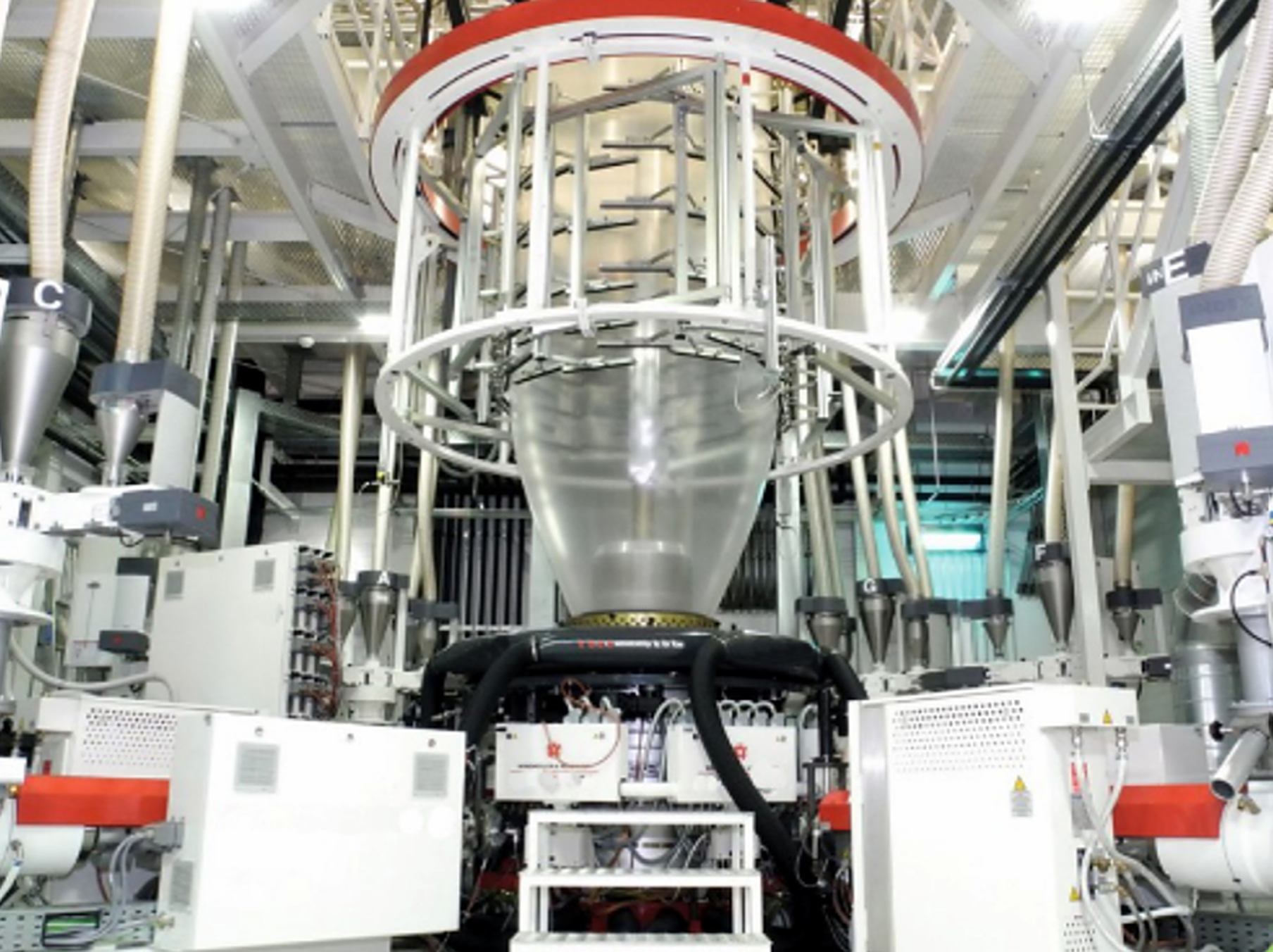
SINGLE temperature control units are used for roll and mould temperature control on extrusion, cast film, coating and lamination lines, ensuring continuous stable production of films, sheets and composite materials.
Transverse temperature uniformity of chill rolls and coating rolls directly determines film thickness tolerance and appearance; multiple rolls need independent, non-interfering control; continuous line speeds demand fast thermal response while balancing changeover ramp speed and overall line energy use.
SINGLE WP water TCUs and Chill series chillers support multi-circuit independent control and closed-loop roll-face temperature control, with faster response at line speed; faster changeover ramps, less waste and lower auxiliary energy use.
Automotive
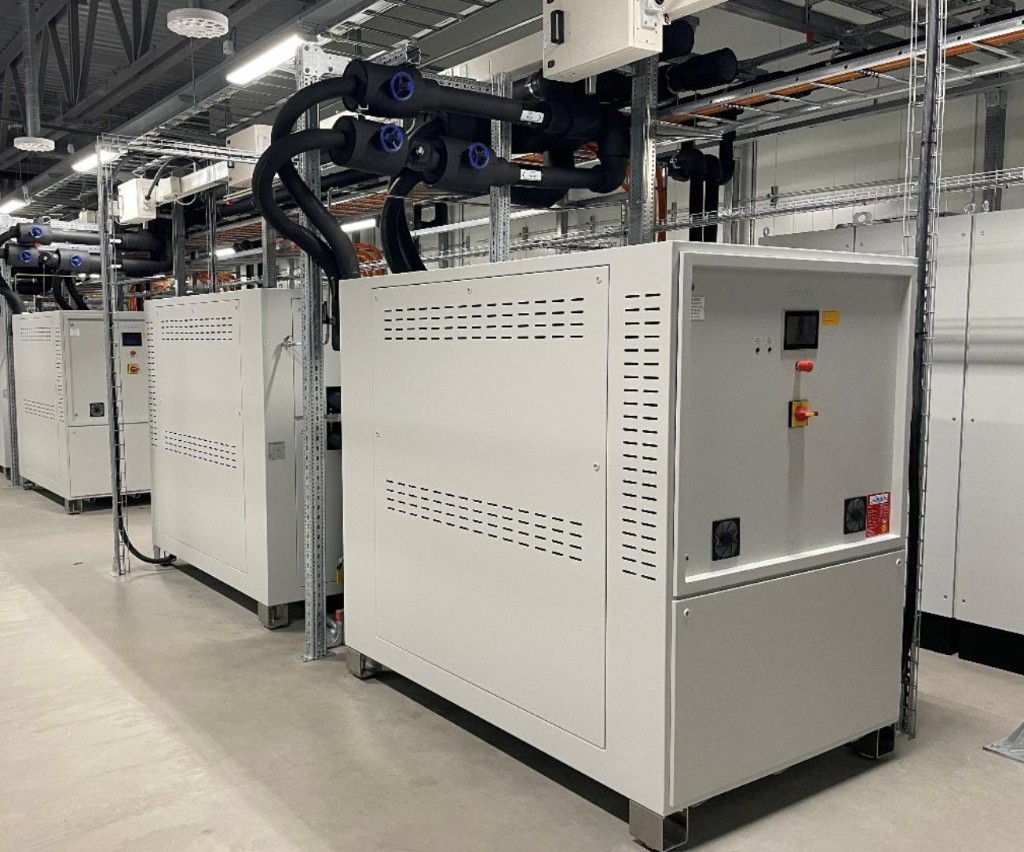
SINGLE temperature control units are used in motor bench testing and traction battery charge/discharge testing — automotive R&D validation — to provide a precisely controllable temperature environment for the device under test.
Bench-test conditions change rapidly; if temperature control cannot follow, test data is invalid. Battery testing demands high temperature uniformity and operational safety. Bench time is billed by the hour, so equipment must be highly available and integrate seamlessly with test automation systems.
SINGLE WP water TCUs and Chill series chillers, equipped with high-flow pump groups and fast-response PID, support direct connection to test-bench automation via Modbus TCP / Profinet / EtherCAT. Faster temperature tracking means more valid bench data and higher equipment availability.
Plastics
SINGLE mould temperature controllers are used for mould temperature control in injection molding, extrusion, blow molding and foaming — from single-machine supply to plant-wide centralized cooling.
Mould temperature drift directly causes sink marks, warpage, weld lines and dimensional shift; high-temperature engineering plastics require water control above 180 °C or oil control up to 350 °C; rapid thermal cycling demands fast switching between heating and cooling while keeping per-part energy use in check.
SINGLE WK3, WP5, WP7 pressurized high-temperature water TCUs and D oil TCUs, paired with Chill series centralized cooling, support fast heating/forced-cooling switching — shorter cycle times, fewer cosmetic defects and lower per-part energy use.
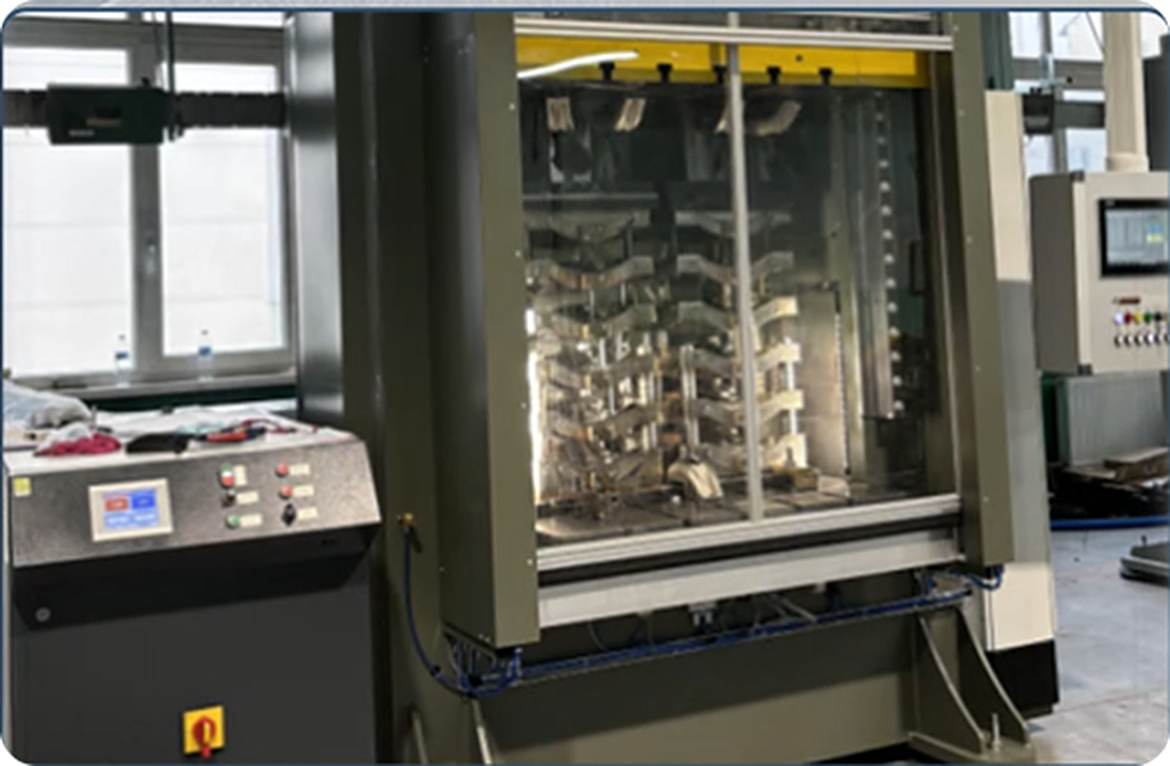
These five process families look unrelated, but their demand on temperature is the same thing: temperature is not a parameter — it is part of product consistency.
Raycore’s method is always the same — first work out the heat load and target temperature profile, then match the cooling source, circulation and heat exchanger, and finally connect the equipment into your automation system.
−40 to +350 °C
Operating range
±0.1 °C
Control accuracy
High flow / high cooling / corrosion-resistant
Custom directions
CE / UL / GMP
Certification & material compatibility
The ranges above describe series-level capability; the exact range, accuracy and certification for a given model are defined in its product datasheet.
Not sure which model yet?
Send us three sets of parameters (target range, heat load / flow, on-site cooling source) and we will return matching models and a temperature control proposal.